A holiday in Benin Republic offers a unique blend of cultural heritage, historical exploration, and natural beauty. The country’s rich history is exemplified by the Royal Palaces of Abomey, a UNESCO World Heritage Site, which provides a glimpse into the powerful Kingdom of Dahomey that thrived from the 17th to 19th centuries. Visitors can explore the intricate architecture and learn about the kingdom's history through its impressive artifacts.
Benin also offers remarkable natural experiences, with Pendjari National Park being a highlight. This park, part of the W-Arly-Pendjari (WAP) Complex, is known for its diverse wildlife, including elephants, lions, and numerous bird species, making it an excellent destination for safari enthusiasts and nature lovers.
The city of Ouidah holds significant historical importance, particularly for its role in the transatlantic slave trade. Key sites include the Door of No Return, which marks the departure of enslaved Africans, and the Voodoo Museum, which delves into the country’s rich spiritual traditions. Benin’s Voodoo Festival, celebrated annually on January 10th, provides a vibrant display of traditional rituals and cultural celebrations, showcasing the country’s deep spiritual heritage.
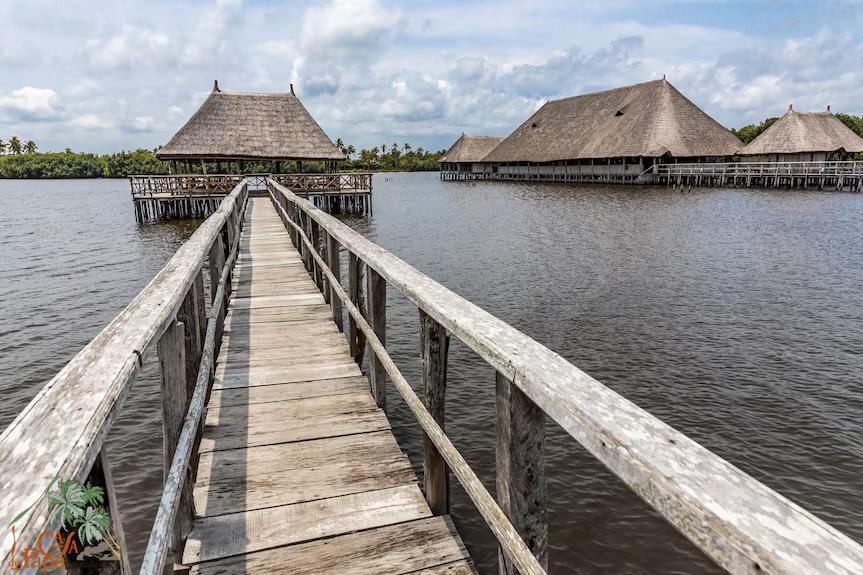
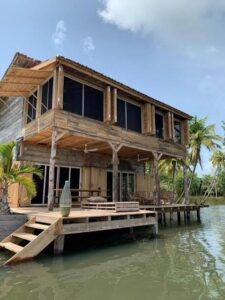
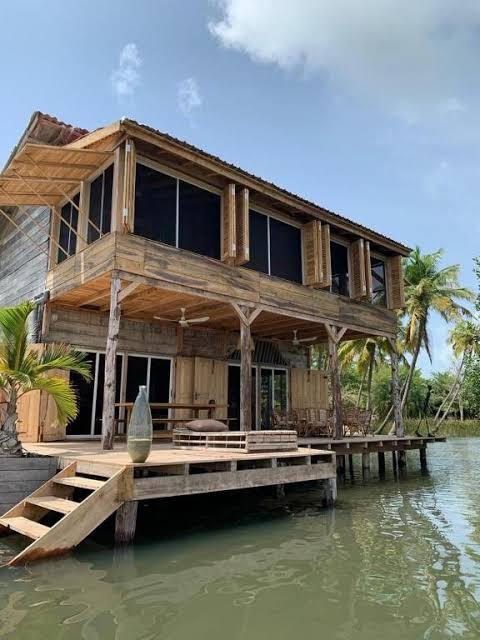
Cotonou, the largest city and economic hub, offers bustling markets, a vibrant port, and diverse dining options, while Lake Nokoué provides opportunities to explore floating villages and local fishing practices. Ganvie, known as the “Venice of Africa,” is a stilt village on Lake Nokoué, offering a unique experience of traditional life on water.
With its combination of historical sites, natural beauty, and rich cultural experiences, Benin Republic is perfect for an enriching and memorable holiday.
HIGHLIGHT
- Royal Palaces of Abomey
A UNESCO World Heritage Site, these palaces were the center of the Kingdom of Dahomey from the 17th to 19th centuries. They offer insight into the history, art, and architecture of the once-powerful kingdom.
- Pendjari National Park
Located in the northern part of the country, this park is part of the W-Arly-Pendjari (WAP) Complex, a UNESCO Biosphere Reserve. It is renowned for its diverse wildlife, including elephants, lions, and various bird species.
- Ouidah
A historic city known for its role in the transatlantic slave trade. Key sites include the Door of No Return, the Ouidah Museum of History, and the Voodoo Museum, reflecting the city’s cultural and historical significance.
- Voodoo Festival
Held annually on January 10th, this festival celebrates Benin’s traditional Voodoo religion with vibrant ceremonies, dances, and rituals, highlighting the country's rich spiritual heritage.
- Cotonou
Benin’s largest city and economic center, Cotonou is known for its bustling markets, vibrant port, and as a hub of commerce and culture in the country.
- Lake Nokoué
A large freshwater lake near Cotonou, known for its floating villages and unique aquatic lifestyle, offering scenic boat tours and a glimpse into local fishing practices.
- Ganvie
Often referred to as the “Venice of Africa,” this stilt village on Lake Nokoué is known for its unique architecture and traditional way of life, providing a fascinating experience of a floating community.
WHEN TO VISIT
The best time to visit Benin Republic is during the dry season, from November to March. This period features pleasant temperatures and minimal rainfall, making it ideal for exploring outdoor attractions such as Pendjari National Park and the historical sites in Ouidah. The Voodoo Festival, held on January 10th, is also a notable event during this time, offering a vibrant cultural experience. The rainy season, from April to October, can bring heavy showers and high humidity, which may affect travel plans and outdoor activities.