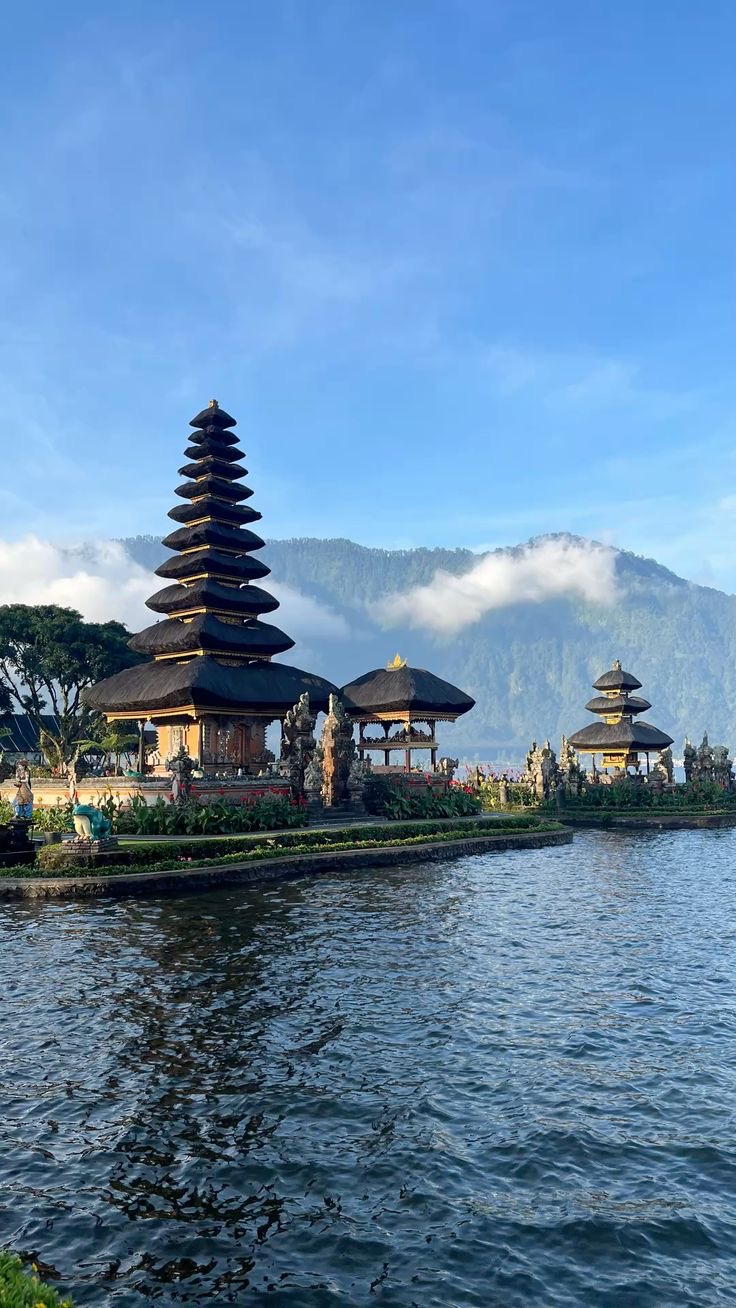
A visit to Indonesia offers an endless array of natural wonders, cultural treasures, and tropical adventures. As the world’s largest archipelago with over 17,000 islands, Indonesia is a land of contrasts — from tranquil beaches and lush rice terraces to ancient temples and bustling cities. Known for its diversity, warm hospitality, and vibrant traditions, Indonesia is a destination that inspires discovery at every turn.
Whether you’re chasing sunsets in Bali, exploring volcanic landscapes in Java, or diving into pristine waters in Raja Ampat, Indonesia promises unforgettable experiences for every traveler.
HIGHLIGHTS
Bali
The “Island of the Gods,” famous for its beaches, temples, rice terraces, yoga retreats, and lively nightlife.
Jakarta
Indonesia’s capital, a bustling metropolis blending modern skyscrapers, colonial heritage, and dynamic culture.
Yogyakarta & Borobudur
The cultural heart of Java, home to batik traditions, shadow puppetry, and the majestic Borobudur and Prambanan temples (UNESCO Sites).
Komodo National Park
A UNESCO World Heritage Site, home to the legendary Komodo dragon, pink-sand beaches, and world-class diving spots.
Raja Ampat
A diver’s paradise with one of the richest marine biodiversity sites on earth, offering pristine reefs and crystal-clear waters.
Mount Bromo & Java’s Volcanoes
Spectacular sunrise views and thrilling hikes across dramatic volcanic landscapes.
Sumatra
Known for its wild rainforests, orangutans in Bukit Lawang, and scenic Lake Toba, the largest volcanic lake in the world.
Lombok & Gili Islands
Laid-back islands with white-sand beaches, turquoise waters, and relaxed island vibes.
Culture & Cuisine
Experience traditional dances, gamelan music, and savor dishes like nasi goreng, satay, and spicy sambals.
BEST TIME TO VISIT
The best time to visit Indonesia is during the dry season (May to September), when the weather is sunny and ideal for outdoor adventures, beaches, and diving. The wet season (October to April) brings lush green landscapes and fewer tourists, though some islands may experience heavy rains.