A visit to Ghana offers a rich blend of cultural heritage, natural beauty, and historical significance, making it a diverse destination for all kinds of travelers. Known as the "Gateway to Africa," Ghana provides a welcoming environment with its friendly people, vibrant cities, and stunning landscapes.
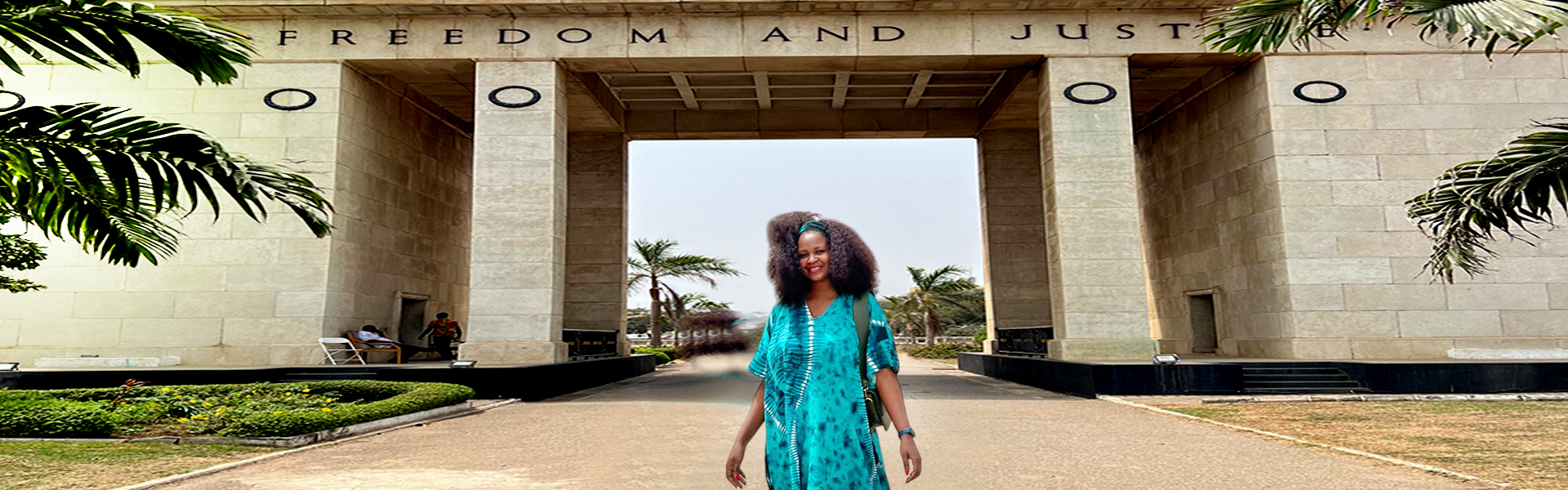
One of the country's most significant attractions is its history, particularly the role it played in the transatlantic slave trade. The Cape Coast Castle and Elmina Castle, both UNESCO World Heritage sites, are poignant reminders of this dark chapter in global history. Visitors can tour these castles and learn about the harrowing experiences of enslaved Africans who passed through their doors. In addition, Accra, the capital, is a lively city offering cultural experiences like the Kwame Nkrumah Memorial Park, celebrating Ghana's independence leader, as well as bustling markets and modern attractions.
For nature lovers, Ghana has much to offer. Kakum National Park, located in the Central Region, is known for its dense rainforest and the famous canopy walkway that allows visitors to view the forest from a unique vantage point. The park is home to many wildlife species, including elephants and monkeys. Another must-visit destination for wildlife is Mole National Park, where guided safaris offer opportunities to see elephants, antelopes, warthogs, and various bird species in their natural habitat.
The Volta Region of Ghana is famous for its beautiful landscapes, including the towering Wli Waterfalls, the highest in West Africa. Visitors can hike to the falls and enjoy the surrounding lush greenery. Nearby, Lake Volta, one of the largest man-made lakes in the world, offers opportunities for boat tours and exploring local fishing communities.
Ghana is also home to several stunning beaches along its Atlantic coastline. Busua Beach, Kokrobite, and Labadi Beach in Accra are popular spots for relaxation, surfing, and enjoying the coastal lifestyle. For those interested in the country’s rich traditions, a trip to Kumasi, the capital of the Ashanti Kingdom, provides insight into the proud history of the Ashanti people. The Manhyia Palace Museum and the bustling Kejetia Market showcase the region's cultural richness, while local artisans produce traditional crafts like Kente cloth and Adinkra symbols.
With its combination of historic landmarks, vibrant culture, diverse landscapes, and warm hospitality, Ghana offers an unforgettable experience for any traveler.
HIGHLIGHTS
- Cape Coast Castle and Elmina Castle : These historic forts are UNESCO World Heritage sites, representing Ghana's significant role in the transatlantic slave trade. Visitors can tour these castles and learn about the tragic history of the slave routes.
- Accra: Ghana’s vibrant capital city offers a blend of history, culture, and modern attractions, including the *Kwame Nkrumah Memorial Park, **Independence Square, and lively markets like Makola Market and Osu (Oxford Street).
- Kakum National Park: A tropical rainforest with the famous *canopy walkway*, which provides a bird's-eye view of the lush forest. The park is home to wildlife like elephants, monkeys, and diverse bird species.
- Mole National Park: The largest wildlife reserve in Ghana, Mole offers guided safaris to spot elephants, antelopes, baboons, and more. It’s a must-visit for nature and wildlife enthusiasts.
- Wli Waterfalls: Located in the Volta Region, Wli is the highest waterfall in West Africa. It’s a beautiful spot for hiking, swimming, and enjoying the lush surroundings.
- Lake Volta: One of the largest artificial lakes in the world, Lake Volta offers scenic boat trips and the chance to visit local fishing villages and enjoy water activities.
- Ashanti Kingdom (Kumasi): The cultural heart of Ghana, home to the Manhyia Palace and the Kejetia Market, one of the largest open-air markets in West Africa. Kumasi is also famous for its traditional Kente weaving.
- Busua Beach and Kokrobite Beach: These are some of Ghana’s most beautiful beaches, ideal for relaxation, surfing, and experiencing local beach culture. *Labadi Beach* in Accra is also a popular destination for locals and tourists alike.
- Traditional Festivals: Ghana is known for its colorful festivals such as *Homowo, **Akwasidae, and **Panafest*, which celebrate local traditions, historical events, and the African diaspora.
- Boabeng-Fiema Monkey Sanctuary: A sanctuary where monkeys are considered sacred and roam freely among the local community. It’s a unique destination for those interested in wildlife and local traditions.
These highlights showcase Ghana’s rich history, vibrant culture, stunning landscapes, and welcoming hospitality, making it an exciting and diverse travel destination.
BEST TIME TO VISIT
The best time to visit Ghana is during the dry seasons, which run from November to March and July to August. These months offer the most pleasant weather, with less rainfall and lower humidity, making it ideal for sightseeing, wildlife safaris, and enjoying the beaches. During these periods, temperatures are warm but not overwhelmingly hot, and outdoor activities such as hiking in Kakum National Park or visiting historical sites are more enjoyable. The dry season is also perfect for experiencing Ghana's cultural festivals and beach destinations along the coast.